
Elder Care Planning: Family Support by Gene Shelton
Elder Care, Family Support, Planning Ahead
Elder Care & Family Support by Gene Shelton: Planning Before a Crisis
Thoughtful elder care rarely happens by accident. It grows from honest conversations, clear information, and shared understanding long before a health crisis appears. Drawing on the example and advocacy of Gene Shelton, this article explores how families can plan ahead so older adults keep a strong voice in their own care.
Planning Before a Crisis: A Gift to Everyone
Planning before a crisis is not about expecting the worst; it is about protecting choices, dignity, and peace of mind. When families wait until a fall, sudden illness, or hospitalization, they are forced to make urgent decisions in the middle of fear and confusion. By contrast, early planning allows older adults to share what matters most to them while everyone is calm, clear-thinking, and able to participate fully.
Mr. Gene Shelton has long emphasized that planning is an act of love. It reduces the burden on family members and ensures that care reflects the elder’s values, not just the pressure of the moment. His work in elder care and family support reminds us that prepared families are kinder to themselves and to one another.
The Power of Important Family Conversations
The first step in planning is simply talking. These important family conversations may feel uncomfortable at first, but they open the door to understanding. Families can gently ask:
How do you want to be cared for if your health changes?
What worries you most about getting older?
What helps you feel safe, respected, and heard?
When these conversations happen early, they become ongoing dialogues instead of last-minute debates. Siblings can understand one another’s perspectives, and the older adult can clearly communicate priorities, boundaries, and hopes for the future.
Knowing Where Essential Documents Are
In an emergency, minutes matter. Families often know that documents exist but have no idea where they are stored. A core part of planning is making sure essential documents are easy to find, such as:
Identification cards, insurance information, and Medicare/Medicaid cards
Advance directives, powers of attorney, and health care proxies
Wills, financial contacts, and key account information
A simple folder, binder, or secure digital file—clearly labeled and known to trusted family members—can prevent frantic searches and delays in getting care approved or coordinated.
Keeping an Updated List of Medications and Physicians
Another practical tool is an updated list of medications and physicians. As prescriptions change, specialists are added, or dosages are adjusted, it is easy to lose track. Yet this information is crucial for emergency room staff, new doctors, and caregivers.
Families can keep a one-page summary that includes:
All current medications, doses, and how often they are taken
Allergies or past adverse reactions
Names and contact details for primary care and key specialists
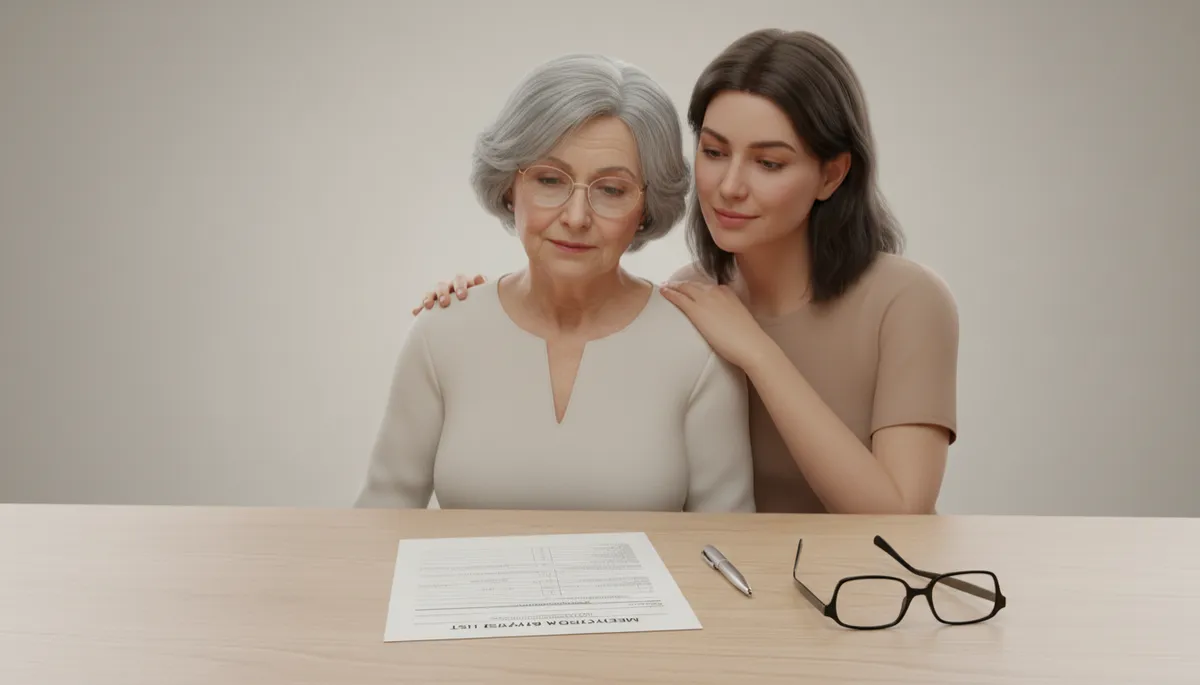
A single, updated list helps medical teams respond quickly and safely.
Discussing Health Care Wishes and Trusted Decision-Makers
Beyond logistics, families need to talk openly about health care wishes. Does the elder prefer aggressive treatment in every situation, or a focus on comfort and quality of life? What are their thoughts about hospitalization, resuscitation, or long-term care facilities versus staying at home with support?
These conversations naturally lead to identifying trusted individuals for decision-making. Someone may be chosen to serve as a health care proxy or power of attorney. The most effective decision-makers are people who:
Understand the elder’s values and preferences
Can stay calm and clear-headed under pressure
Are willing to honor the elder’s wishes, even when others disagree
💡 Pro Tip: Put decisions in writing and share copies with physicians, hospitals, and key family members so everyone is working from the same plan.
Understanding Elder Preferences in Daily Life
Planning is not only about medical choices. It also means understanding elder preferences in everyday life. Questions like these can guide families:
Where do you feel most at home and comfortable?
What routines, spiritual practices, or social connections are most important to you?
How much help do you want with daily tasks, and from whom?
When families listen carefully, they can shape support that feels respectful—not intrusive—and that honors the elder’s sense of independence and identity.
Reducing Confusion and Stress, Increasing the Elder’s Voice
All of this careful planning has a powerful result: it reduces confusion and stress when health changes occur. Instead of arguing at the bedside or guessing what an elder “would have wanted,” families can lean on previously shared decisions and documents. Medical teams can act quickly. Loved ones can focus on being present rather than scrambling for information.
Most importantly, planning ahead gives older adults a greater voice in their care decisions. Their preferences, values, and priorities are not lost in the noise of a crisis. Instead, they guide every choice, from treatments to living arrangements to daily routines. This is the heart of compassionate elder care: keeping the person at the center of the plan.
Honoring Gene Shelton: Wisdom, Service, and Community
October holds special meaning this year as we celebrate Mr. Gene Shelton’s 77th birthday on October 18. His life and work stand as a living example of what it means to care for elders with intention, respect, and love. Through his commitment to elder care, wisdom, service, and community involvement, Mr. Shelton has encouraged countless families to prepare before a crisis and to treat aging as a season of dignity rather than decline.
As we honor his birthday, we also honor the message he has championed: start the conversations, find the documents, write down the medications, ask about wishes, choose trusted decision-makers, and listen deeply to the preferences of the elders we love. In doing so, we not only ease tomorrow’s burdens—we strengthen today’s relationships.
Planning before a crisis is one of the most practical and heartfelt gifts a family can give. Inspired by leaders like Gene Shelton, we can choose to prepare, to honor, and to stand beside our elders with clarity and grace.